Understanding a Defamation Removal Service: How to Protect Your Name Online
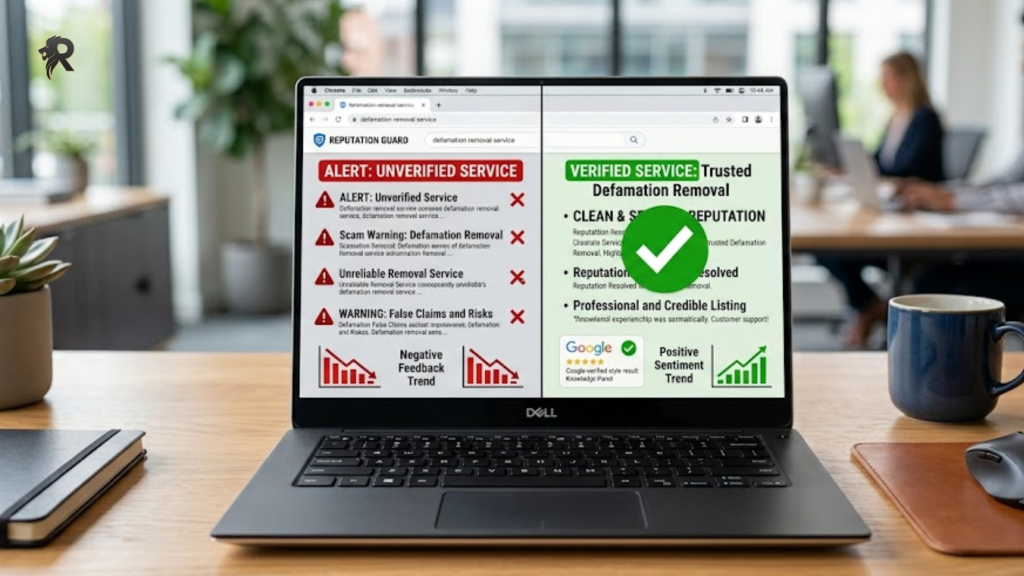
False statements published online can spread quickly and stay visible for years, damaging a person’s or business’s reputation long after the original claim has been debunked. When these statements cross the line into defamation, a specialized defamation removal service can help you understand your options, pursue legitimate removal paths, and rebuild a search presence that reflects the truth.
What Is Defamation, Exactly?
Defamation refers to a false statement of fact, presented as truth, that damages someone’s reputation. It generally falls into two categories: libel (written or published false statements) and slander (spoken false statements). Not every negative or critical comment qualifies as defamation opinions, fair criticism, and true statements are typically protected. This distinction matters because it shapes what a removal specialist can realistically achieve for you.
Note: This article is for general informational purposes only and is not legal advice. Defamation laws vary by jurisdiction, and anyone dealing with a potentially defamatory statement should consult a qualified attorney to evaluate their specific situation.
How a Defamation Removal Service Can Help
A professional defamation removal service typically supports clients through several stages:
- Evaluation — Reviewing the content in question to determine whether it may meet the legal criteria for defamation, and identifying where it appears online.
- Documentation — Preserving evidence of the content, including screenshots, URLs, and publication dates, which may be needed for legal or platform-reporting purposes.
- Formal requests — Submitting properly worded removal or correction requests to website owners, hosting providers, or search engines, in line with each platform’s own policies.
- Legal coordination — Connecting clients with attorneys when formal legal action, such as a cease-and-desist letter or lawsuit, may be appropriate.
- Reputation rebuilding — Publishing accurate, authoritative content to help ensure that if older content cannot be fully removed, it no longer dominates search results.
Why Professional Support Matters
Handling a defamation situation alone can be overwhelming, particularly when trying to determine which content is legally actionable versus simply unflattering. A knowledgeable reputation and removal team understands platform-specific removal processes, search engine guidelines, and the practical realities of what can and cannot be taken down, helping you avoid wasted effort on approaches unlikely to succeed.
What a Legitimate Service Will Never Do
Ethical providers operate strictly within the law and platform policies. Be cautious of any company that promises guaranteed removal, since no provider can guarantee an outcome that depends on courts, platforms, or third parties. Red flags to watch for include:
- Guaranteeing removal of any content, regardless of its legitimacy
- Encouraging you to submit false or exaggerated legal claims
- Using deceptive tactics like fake copyright complaints to force takedowns
- Manipulating search rankings through spam or link schemes
- Charging large upfront fees with no clear process or transparency
A trustworthy defamation removal service will be transparent about realistic outcomes, timelines, and the legitimate methods being used, rather than making promises no one can actually keep.
Steps You Can Take Right Now
- Take screenshots and record URLs of the content in question
- Avoid engaging publicly or escalating the situation online
- Review the platform’s own reporting or dispute process
- Consult an attorney if the content may be legally defamatory
- Begin building positive, authoritative content about yourself or your business
Final Thoughts
Dealing with false and damaging statements online is stressful, but you’re not without options. A reputable defamation removal service combines careful evaluation, legitimate removal requests, legal coordination when appropriate, and long-term reputation building to help you move forward. The most effective path is always one grounded in transparency, accuracy, and full compliance with platform and legal standards, rather than shortcuts that could put you at further risk.
FAQ
- What qualifies as defamation online?
Defamation is a false statement of fact, not opinion or fair criticism presented as truth, that damages someone’s reputation. Written statements are libel; spoken statements are slander. A defamation removal service typically starts by evaluating whether content actually meets this legal threshold. - Can I get defamatory content removed guaranteed?
No legitimate provider can guarantee removal, since outcomes often depend on courts, platforms, or third-party publishers. Be wary of any company promising guaranteed results that’s a red flag rather than a sign of expertise. - Do I need a lawyer, or can a removal service handle everything?
A defamation removal service can evaluate content, document evidence, and submit formal removal requests, but actual legal action like a cease-and-desist letter or lawsuit requires an attorney. Reputable services coordinate with legal counsel rather than replacing it. - What’s the difference between defamation and a bad review?
A bad review based on a genuine customer experience or opinion is protected speech, even if it’s harsh. Defamation involves false statements of fact. This distinction is critical, since misidentifying a negative review as defamation can waste time and resources. - How long does defamation removal typically take?
Timelines vary widely depending on the platform, the strength of the evidence, and whether legal action is involved. Some platform-reported content can be addressed in days to weeks; legal routes can take significantly longer. - What should I do first if I find defamatory content about me?
Take screenshots, record URLs and dates, avoid engaging publicly, and check the platform’s own reporting process. If the statement appears legally defamatory, consult an attorney before taking further action. - Can search engines remove defamatory content directly?
Sometimes search engines will de-index specific pages under certain policies, but this is different from the content being removed from the original site. A defamation removal service typically works both angles the source and the search visibility.

